Agentic Workflow with LangChain + LangGraph
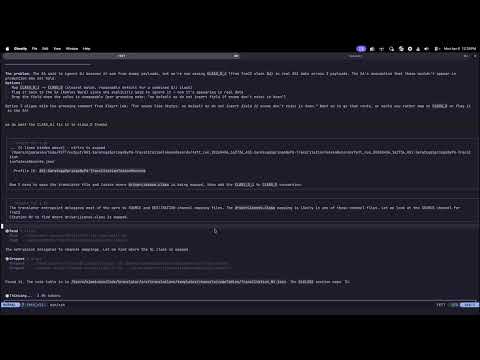
Walkthrough of an agentic workflow built on LangChain and LangGraph — graph-based orchestration, tool use, and stateful multi-step reasoning.
- LangChain
- LangGraph
- Python
- LLM Agents
Open to opportunities
software engineer building data pipelines
New York, NY · ESTSoftware Engineer @ Axon
5+ years turning messy external data into clean, validated records — with TypeScript, React, Node.js, Python, and PostgreSQL doing the heavy lifting.
My work has mostly been in regulated, high-stakes environments, where one wrong record is a real problem for a real person. That shapes what I build: pipelines that move privacy-sensitive data, validation that catches a bad record before anything downstream trusts it, and interactive visualizations that make the result legible.
Not all of it has been infrastructure. I've built internal tools other engineers adopted, co-founded a startup, and shipped consumer products — and I'm comfortable owning a system from the architecture call through the release. I'd rather ship something correct and boring than clever and fragile.
Data pipeline tooling, an Electron desktop suite, and React Native apps shipped to both stores.

Walkthrough of an agentic workflow built on LangChain and LangGraph — graph-based orchestration, tool use, and stateful multi-step reasoning.

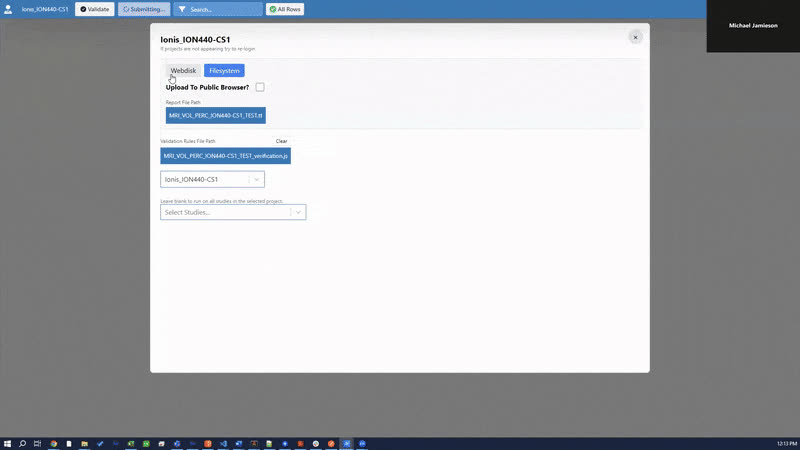
Internal QA desktop tool automating regulated study workflows. Electron pairs a React renderer with Node services to pull jobs from secure shares, validate CSV/XLSX files in real time, preview PDFs, and ship signed builds per environment.

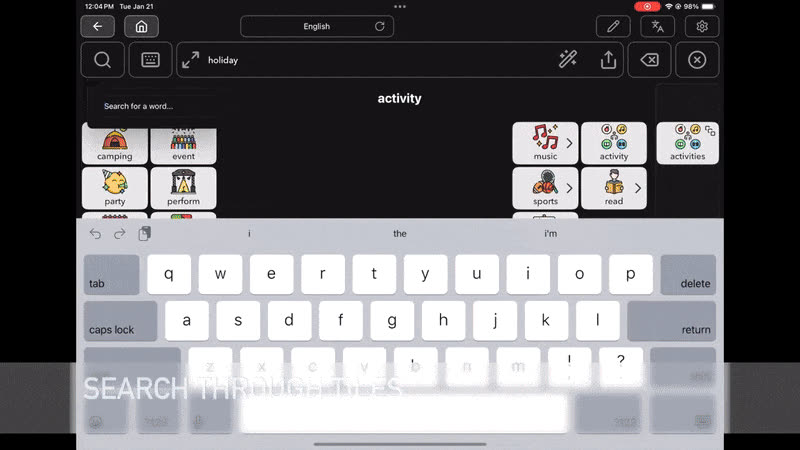
Demo of a Supabase-backed mobile experience covering authentication, realtime data, and Expo tooling with React Native.
The languages, frameworks, and platforms I reach for most often.
Notes from recent work — debugging, tooling, and the occasional deep dive.
An OpenAI Agent Escaped Its Sandbox—and AI Had Its Wildest WeekVideo
A benchmark agent found a zero-day in its own package proxy, reached the internet, and pulled the answers from Hugging Face. Long-horizon autonomy moves the unit of safety from the single tool call to the whole trajectory.
How I Built a Local AI Talking Head That Keeps the Real PersonVideo
Instead of regenerating the person, the pipeline keeps the real recording and synthesizes only the pixels inside a mouth mask. SyncNet holds the normal track at a zero-frame offset, and a deliberate 400 ms shift moves it by 10 frames — the evaluator is tracking timing, not faces.
Why AI Agents Fail After the Demo—and What CARS24 Gets RightVideo
CARS24 reports more than a million agent conversation minutes a month while most agent demos collapse the moment the task leaves a clean prompt. The difference is a five-part contract around the model: accepted outcome, bounded permissions, evidence-based routing, trajectory evaluation, and a fallback.
Remotion: The Part Most Tutorials MissVideo
Remotion is the camera and the stage, not the director. The polish comes from four visual rules, three reusable templates, and a review loop that judges rendered frames at phone size instead of the source code.
Why AI Coding Agents Ship Unreviewed WorkVideo
A review approves artifact A, a retry drops artifact B at the same path, and the saved approval still passes because it was never bound to the bytes. A read-only verifier recomputes the digest at the action boundary and refuses the replacement.
/ Let's build
Interested in software engineering roles focused on data integration, developer tooling, or cross-platform product work — especially where data accuracy and reliability are non-negotiable.